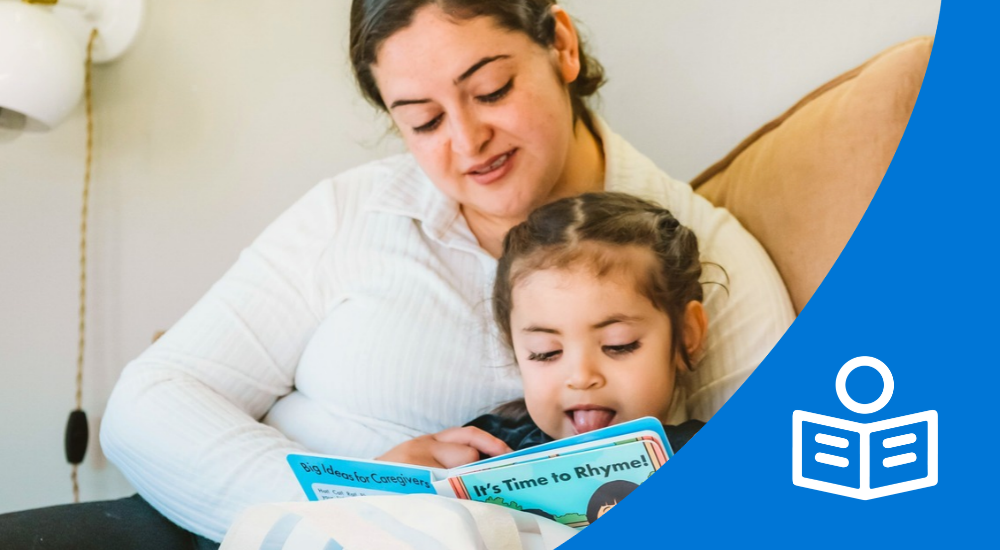

Reading doesn’t begin in kindergarten. It begins the first time a baby hears a familiar voice, studies a bright picture, or snuggles up with a book. As states across the country continue to prioritize early literacy, educators and families have a powerful opportunity in a child’s first five years to give them a strong start. The language and literacy skills children build now lay the foundation for the skills they’ll learn in school.
Why the first five years matter

The first five years are a period of rapid brain development, especially for language. In the first year alone, the neural connections for language, vision, and hearing reach their peak (National Research Council, 2000; Nelson, 2000).
Research from Dr. John Hutton of Cincinnati Children’s Hospital Medical Center shows that shared reading, when adults and children read and talk about books together, gives young brains an immediate boost in activity, and higher-quality shared reading is linked to even greater activation (Hutton et al., 2017). A warm, book-rich home literacy environment supports language and literacy development in the preschool years and is linked to stronger reading comprehension later on (Sénéchal & LeFevre, 2002; Hutton et al., 2019; Dong et al., 2020).
What early literacy looks like
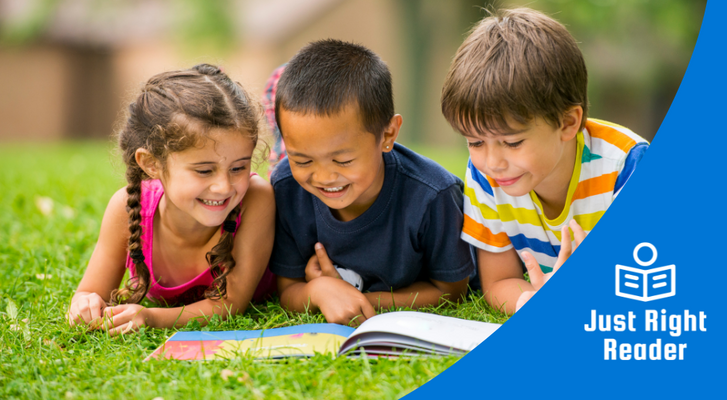
Long before children read and write, they build pre-emergent literacy skills: understanding spoken words, recognizing sounds, learning that print has meaning, and showing interest in books. Early literacy experts recommend a few simple routines educators and families can use every day:
-
Read daily. Just 10-15 minutes a day makes a big difference.
-
Talk often. Narrate the day, label objects, and ask open-ended questions.
-
Use signs and gestures. Baby sign language helps children communicate before they can speak.
-
Create a cozy reading spot. A print-rich space with easy-to-reach books makes reading part of every day.
Supporting early literacy, at school and at home
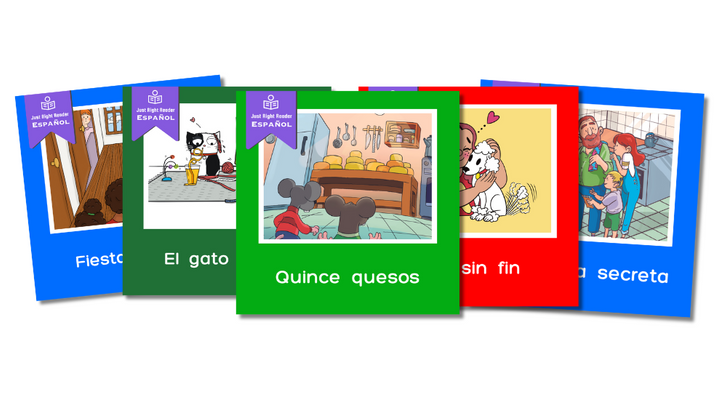
Just Right Reader's Early Childhood Libraries, available in English and Spanish, provide educators with ready-to-use resources and families with simple ways to support learning at home.

-
Birth-3 Years: Board Book Library. Board books with engaging topics and bright illustrations are aligned to Early Learning Standards, support developmental milestones, introduce baby sign language, and include caregiver videos for families.
-
Ages 3-4: Knowledge and Language Building Library. Engaging fiction and nonfiction titles across 10 topic-based sets build oral language, vocabulary, and background knowledge. Every book links to a family video lesson.
-
Ages 4-5: Pre-Emergent Letter and Word Books. Evidence-based books provide explicit, systematic phonics instruction, letter-formation practice, and a quick path from letters and sounds to word decoding.
When educators and families work together from birth, children enter kindergarten ready to become stronger, more confident readers!