

Birth – age 5
Board Books, Knowledge and Language Building Library, Letters and Sounds books, and family resources.
Everything district leaders need to understand CLSD funding, find opportunities in their state, and plan how to use the funds.
CLSD state
Comprehensive Literacy State Development (CLSD) federally funded grants provide districts with an opportunity to build comprehensive, evidence-based literacy programs that improve outcomes for students from birth through Grade 12, with particular attention to students who are most underserved.
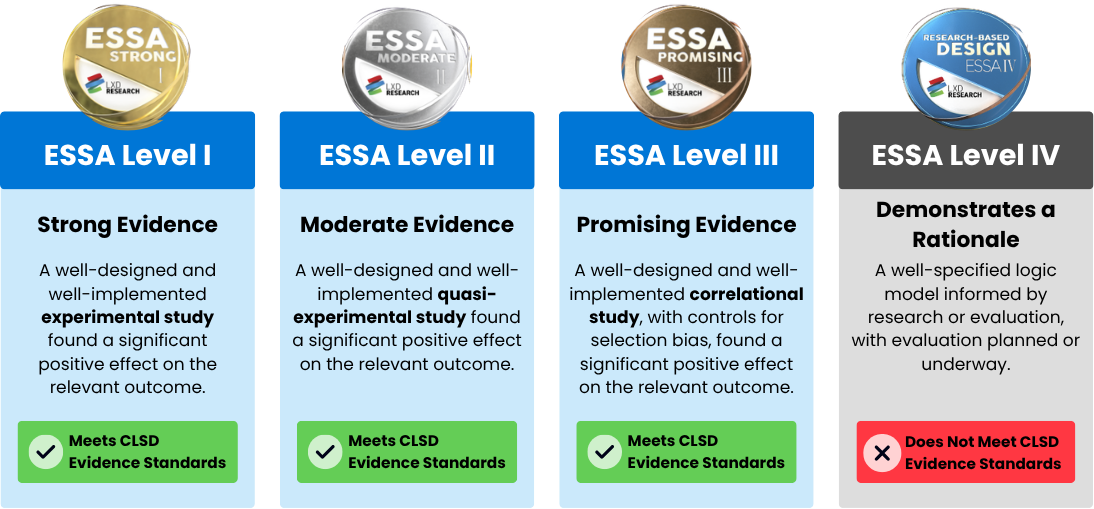
CLSD requires districts to invest funding in evidence-based literacy activities, strategies, and interventions, as defined by the Every Student Succeeds Act (ESSA).
ESSA recognizes four levels of evidence. CLSD funds can only be used for programs assigned to the top three levels, which require a measurable, positive effect on student outcomes like reading, math, science, social-emotional learning, attendance, and family engagement. Some states restrict subgrants to the top two levels.

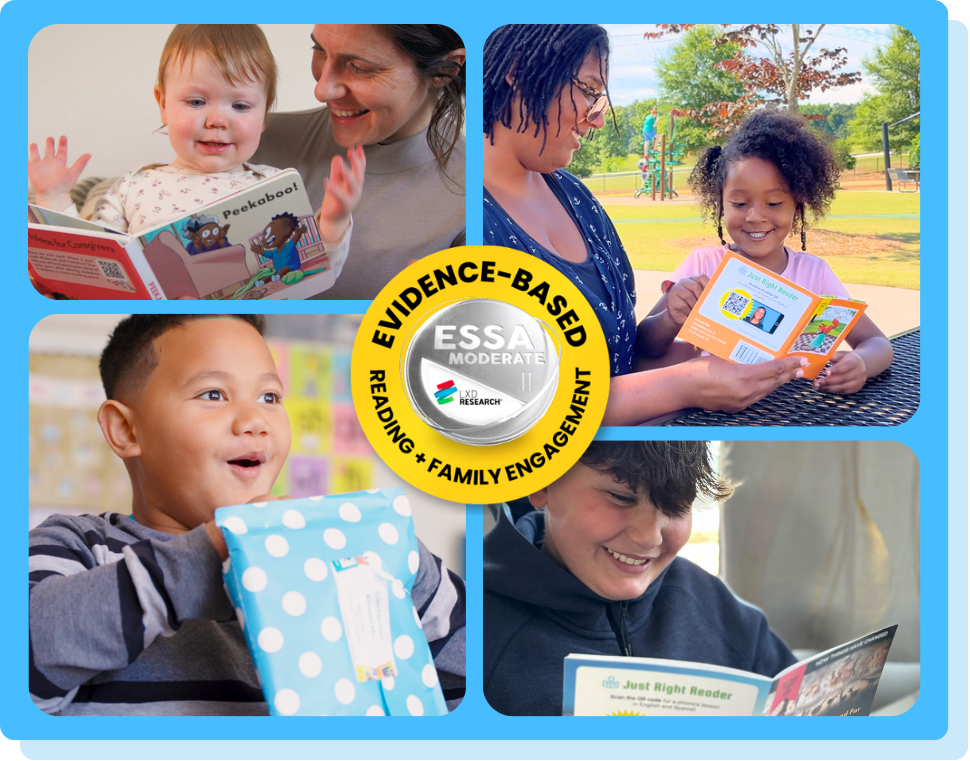
Classroom Libraries, phonics-aligned decodable book collections for PreK–12 classrooms, are rated ESSA Level II for reading achievement. Take-Everywhere Literacy Packs™, personalized decodable books for small-group and at-home practice, are rated ESSA Level II for both reading achievement and family engagement.

Under specific state CLSD requirements, schools can utilize this funding to strengthen their science of reading initiatives and early literacy outcomes.
Board Books, Knowledge and Language Building Library, Letters and Sounds books, and family resources.

Science of Reading-aligned decodable book libraries and targeted phonics instruction and intervention for Tiers 1, 2, and 3.

High-interest decodables that help older students reach grade-level proficiency faster.

Take-Everywhere Literacy Packs™: decodable books personalized for each student's phonics level for Tier 2 and Tier 3 intervention, small-group instruction, and at-home practice.

Ready-to-use lesson plans, customized professional development, and implementation support.

Teacher-led video lessons in 14+ languages, Science of Reading games, Family Literacy Workshops, and easy reading tips texted directly to families to support learning at home.
Available in English and Spanish

Books and resources for classroom instruction and practice.

Decodable books personalized for each student for small-group instruction and at-home practice.

Allowable uses and requirements vary by state. Visit your state's CLSD page for specific guidance.
Our team of literacy funding experts can help you navigate your next steps.

Review your state's CLSD requirements, eligibility, and deadlines.
Determine the student populations, grade levels, and literacy challenges you want to address.
Find programs and resources that align with those priorities.
Determine what resources, implementation support, and professional learning you'll need.
Collect research, product information, and supporting documentation.
CLSD stands for Comprehensive Literacy State Development, a competitive federal grant program run by the U.S. Department of Education's Office of Elementary and Secondary Education. It funds literacy programming from birth through grade 12 and is authorized under Sections 2221–2225 of the Elementary and Secondary Education Act, Assistance Listing Number 84.371C.
State educational agencies apply to ED for CLSD grants, then subgrant at least 95 percent of funds to eligible entities within the state through a competitive process. Eligible entities include LEAs serving a high percentage of high-need schools, early childhood programs serving low-income children, or those groups in partnership with nonprofit organizations that have a demonstrated record of improving literacy achievement and providing literacy-focused professional development, with priority given to districts with the greatest need.
CLSD funds must support literacy programming across the birth-to-grade-12 continuum, with at least 15 percent for birth through kindergarten entry, 40 percent for grades K–5, and 40 percent for grades 6–12. Allowable uses include curriculum, professional development, literacy coaching, and family engagement, though specific priorities vary by state plan.
Yes, districts can use CLSD funds to purchase evidence-based literacy curriculum and materials, including decodable classroom libraries and personalized student book packs like Just Right Reader's, as part of their comprehensive literacy plan. Funds must supplement, not replace, a district's existing literacy spending.
CLSD requires evidence-based activities and materials, meaning strong evidence from an experimental study, moderate evidence from a quasi-experimental study, or promising evidence from a correlational study with statistical controls for selection bias. Just Right Reader meets ESSA Level II, Moderate Evidence, which districts can cite directly in a CLSD application.
Yes, professional development is one of the most consistently allowable uses of CLSD funds at every grade band, and ESEA requires it to be sustained and job-embedded rather than a one-time workshop.
Yes, CLSD covers children from birth through kindergarten entry, and states must dedicate at least 15 percent of subgrant funds to that age range.
Yes, at least 40 percent of subgrant funds must go to grades 6 through 12, covering intensive literacy intervention, adolescent literacy coaching, and professional development for secondary educators.
Districts can confirm whether their state currently holds a CLSD grant using ED's CLSD grantee map. Information about subgrant application timelines and requirements is maintained by each grantee's state education agency's literacy or grants office.
Just Right Reader's funding team can help you navigate CLSD requirements, align literacy solutions to your state's priorities, and map resources to your application and budget.
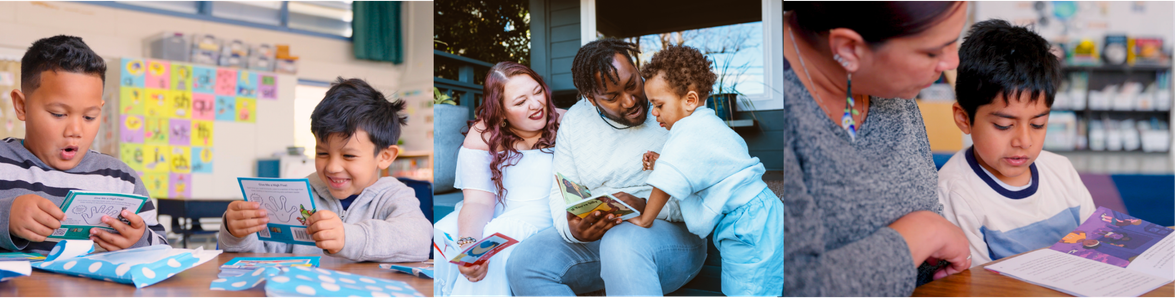

Get an overview of the Comprehensive Literacy State Development program, including eligibility, funding information, awards, legislation, and federal resources from the U.S. Department of Education.

See which states have received CLSD funding and explore current and past state grantees through the CLSD National Literacy Center.

Dig into the federal requirements for CLSD, including eligible applicants, subgrants, funding priorities, evidence requirements, and allowable activities.

Learn how the U.S. Department of Education defines evidence-based practices and the different levels of evidence used for federal education investments.

Explore evidence-based literacy resources for your district.

Get personalized support with your CLSD application.