

Birth – age 5
Board Books, Knowledge and Language Building Library, Letters and Sounds books, and family resources.
Comprehensive Literacy State Development Grant
Hawaii has received funding through the Comprehensive Literacy State Development (CLSD) grant, which supports evidence-based literacy instruction and programs from Birth through Grade 12. We're here to help you make the most of your CLSD funds!
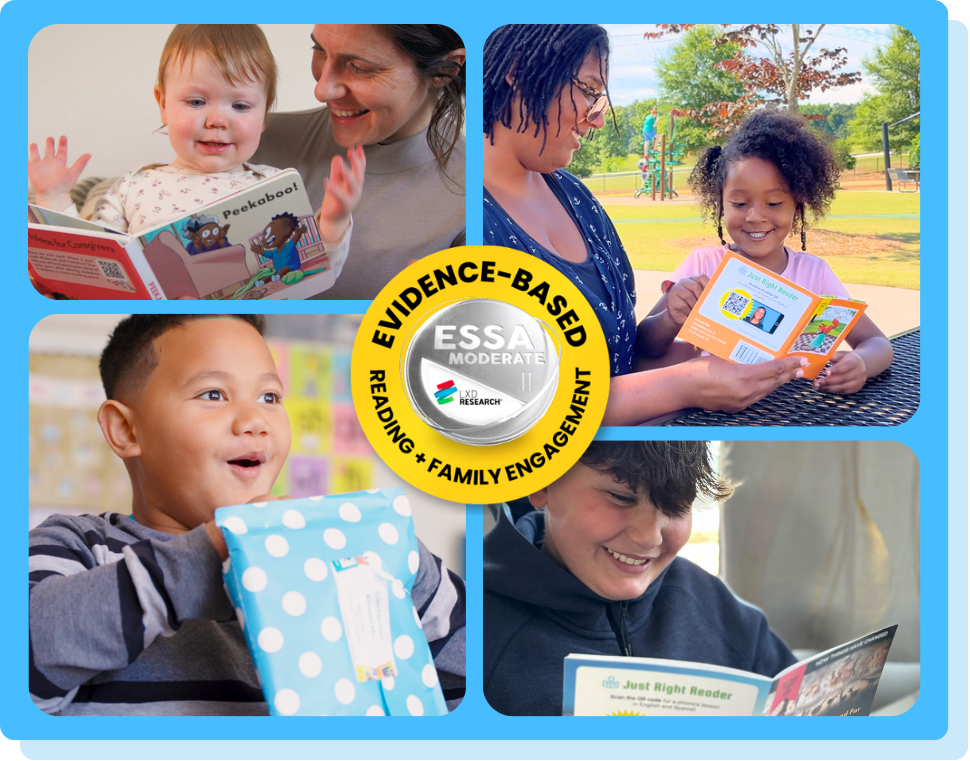
With CLSD funding, schools across Hawaii can pay for high-quality instructional materials, curriculum-based professional learning, and the implementation support that makes both stick. Hawaii subgrants cover literacy from birth through Grade 12, so a single plan can address early language, foundational skills, and adolescent intervention at once.
In 2024, the U.S. Department of Education awarded over $190 million in Comprehensive Literacy State Development (CLSD) grants across 22 states and the District of Columbia.
CLSD gives districts a chance to fund literacy as a whole system, from early language through adolescent intervention, with priority for the students furthest from grade level.
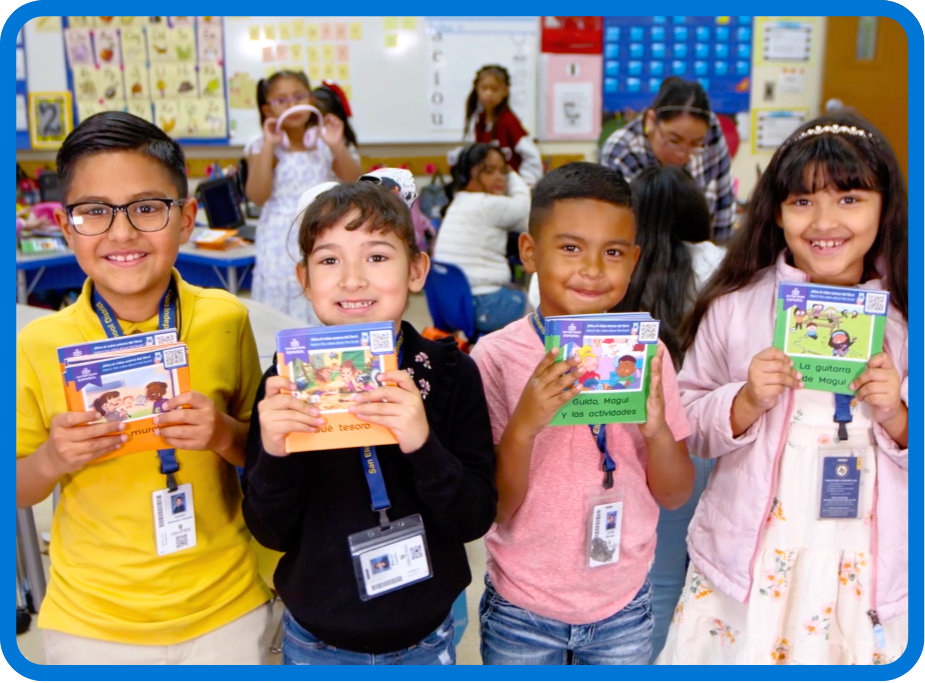
CLSD requires districts to invest funding in evidence-based literacy activities, strategies, and interventions, as defined by the Every Student Succeeds Act (ESSA).
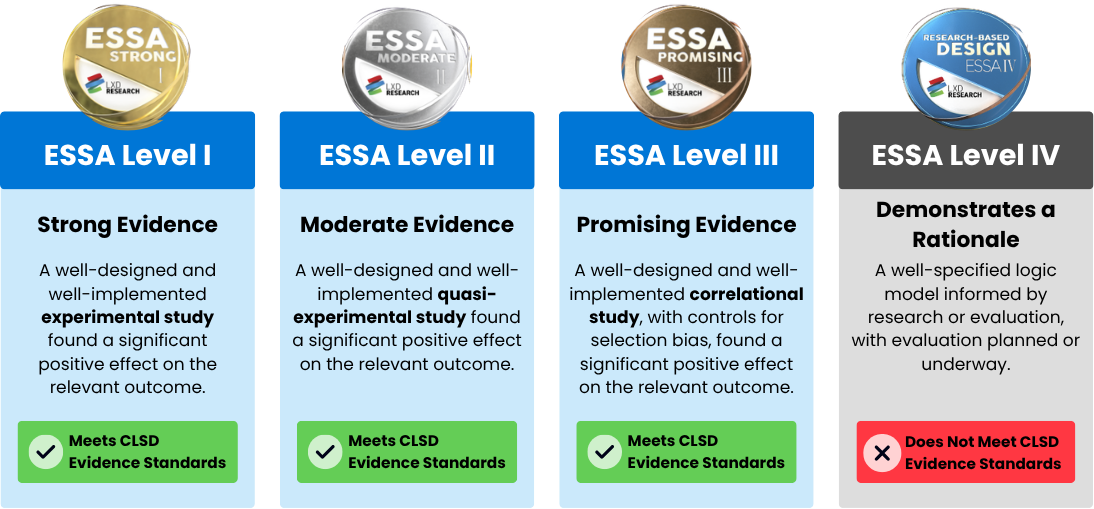
ESSA recognizes four levels of evidence. CLSD funds can only be used for programs assigned to the top three levels, which require a measurable, positive effect on student outcomes like reading, math, science, social-emotional learning, attendance, and family engagement. Some states restrict subgrants to the top two levels.
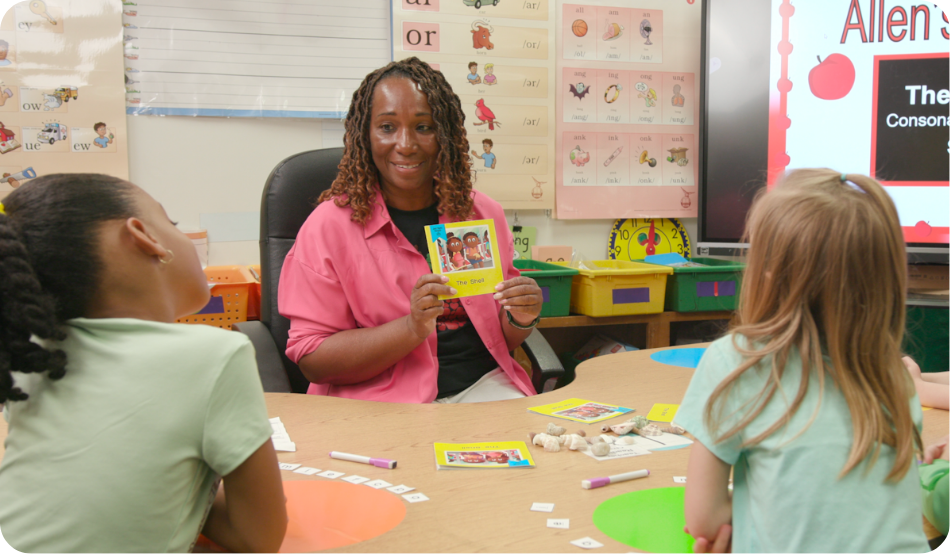

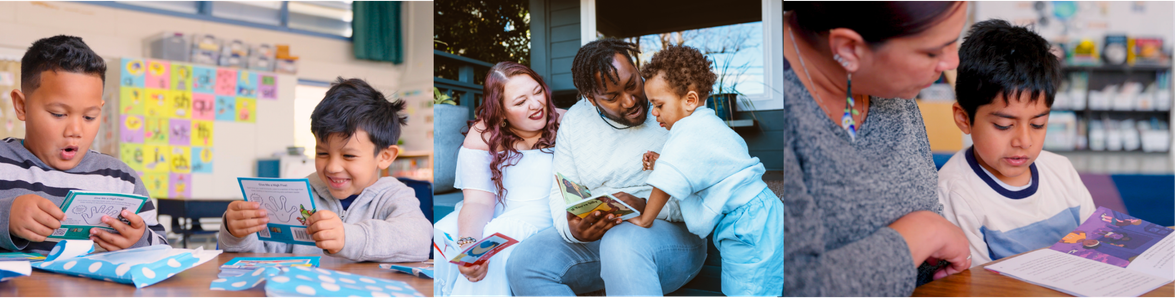
Classroom Libraries, phonics-aligned decodable book collections for PreK–12 classrooms, are rated ESSA Level II for reading achievement. Take-Everywhere Literacy Packs™, personalized decodable books for small-group and at-home practice, are rated ESSA Level II for both reading achievement and family engagement.

Just Right Reader provides evidence-based literacy solutions that can help districts address CLSD priorities from early literacy through adolescent intervention.
Board Books, Knowledge and Language Building Library, Letters and Sounds books, and family resources.

Science of Reading-aligned decodable book libraries and targeted phonics instruction and intervention for Tiers 1, 2, and 3.

High-interest decodables that help older students reach grade-level proficiency faster.

Take-Everywhere Literacy Packs™: decodable books personalized for each student's phonics level for Tier 2 and Tier 3 intervention, small-group instruction, and at-home practice.

Ready-to-use lesson plans, customized professional development, and implementation support.

Teacher-led video lessons in 14+ languages, Science of Reading games, Family Literacy Workshops, and easy reading tips texted directly to families to support learning at home.
Available in English and Spanish

Books and resources for classroom instruction and practice.

Decodable books personalized for each student for small-group instruction and at-home practice.

Hawaii CLSD subgrants pay out over several years, so reviewers look for a spend plan that holds up past year one. Show what you're buying, when materials reach classrooms, who supports teachers through implementation, and how you'll measure literacy growth across the full grant period.
Our team of literacy funding experts can help you navigate your next steps.

Review 's CLSD requirements, eligibility, and deadlines.
Determine the student populations, grade levels, and literacy challenges you want to address.
Find programs and resources that align with those priorities.
Determine what resources, implementation support, and professional learning you'll need.
Collect research, product information, and supporting documentation.
Not right now. Hawaii does not have an open CLSD application window at the moment.
The Hawaii CLSD subgrant deadline is January 2025. View the Hawaii application page(opens in a new tab).
Local education agencies serving a high percentage of high-need schools, early childhood programs serving low-income children, and those groups in partnership with eligible nonprofits. Districts apply to their state education agency rather than to the U.S. Department of Education, and priority goes to applicants serving the highest-need students.
$60,000,000 five-year federal award. Award sizes depend on the size of the population served and the scope of the literacy plan in the application.
CLSD stands for Comprehensive Literacy State Development, a competitive federal grant program run by the U.S. Department of Education's Office of Elementary and Secondary Education. It funds literacy programming from birth through grade 12 and is authorized under Sections 2221–2225 of the Elementary and Secondary Education Act, Assistance Listing Number 84.371C.
CLSD funds must support literacy programming across the birth-to-grade-12 continuum, with at least 15 percent for birth through kindergarten entry, 40 percent for grades K–5, and 40 percent for grades 6–12. Allowable uses include curriculum, professional development, literacy coaching, and family engagement, though specific priorities vary by state plan.
Yes, districts can use CLSD funds to purchase evidence-based literacy curriculum and materials, including decodable classroom libraries and personalized student book packs like Just Right Reader's, as part of their comprehensive literacy plan. Funds must supplement, not replace, a district's existing literacy spending.
CLSD requires evidence-based activities and materials, meaning strong evidence from an experimental study, moderate evidence from a quasi-experimental study, or promising evidence from a correlational study with statistical controls for selection bias. Just Right Reader meets ESSA Level II, Moderate Evidence, which districts can cite directly in a CLSD application.
Yes, professional development is one of the most consistently allowable uses of CLSD funds at every grade band, and ESEA requires it to be sustained and job-embedded rather than a one-time workshop.
Yes, CLSD covers children from birth through kindergarten entry, and states must dedicate at least 15 percent of subgrant funds to that age range.
Yes, at least 40 percent of subgrant funds must go to grades 6 through 12, covering intensive literacy intervention, adolescent literacy coaching, and professional development for secondary educators.
Just Right Reader's funding team can help you navigate CLSD requirements, align literacy solutions to Hawaii's priorities, and map resources to your application and budget.

Get an overview of the Comprehensive Literacy State Development program, including eligibility, funding information, awards, legislation, and federal resources from the U.S. Department of Education.

See which states have received CLSD funding and explore current and past state grantees through the CLSD National Literacy Center.

Dig into the federal requirements for CLSD, including eligible applicants, subgrants, funding priorities, evidence requirements, and allowable activities.

Learn how the U.S. Department of Education defines evidence-based practices and the different levels of evidence used for federal education investments.

Explore evidence-based literacy resources for your district.

Get personalized support with your CLSD application.